
Please call us on +353818001590 or Commercial customers +353818001589
Signs of a Moth Infestation
The presence of moths in your home can be frustrating. Not just because of the damage they can cause, but it’s likely to be damage to clothes and fabric that you may have an emotional attachment to – nobody wants to find damage on their carefully stored wedding dress, or holes in a quilted throw handed down from a beloved grandmother. The damage these pests can cause to carpets, curtains and upholstery can also become very costly.
Common Signs of Moth Damage
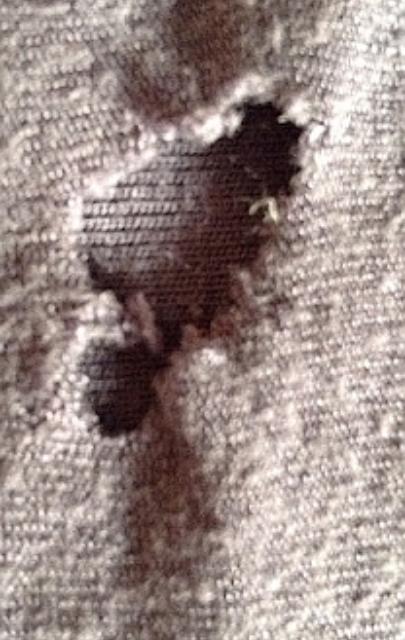
Fabric and Carpet Damage
The clearest sign of a moth problem is the physical damage left behind as the larvae feed on your household fabrics.
- Random Holes: Check your natural clothing items like wool jumpers, silk scarves, cashmere cardigans, and feathers for small, irregular holes. Larvae usually ignore synthetic blends unless they have sweat or food stains on them.
- Thinned Patches: Keep an eye out for "surface grazing." This looks like worn-down or thinned patches on blankets and clothing where the larvae have scraped away the top layer of fabric without chewing completely through it.
- Bare Areas on Carpets: Look for bald patches on wool carpets and rugs where the soft pile has been stripped away, leaving the rough backing exposed. This typically happens in quiet, dark spots, particularly underneath heavy sofas or wardrobes.
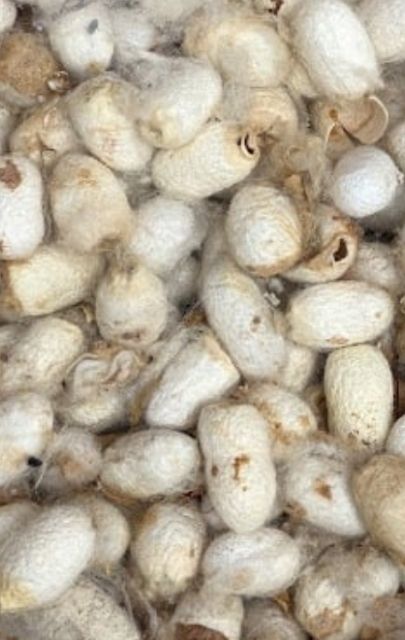
Finding Visible Trace Evidence
As moth larvae feed and mature, they leave behind several distinctive signs. Because these traces are incredibly small, you will need to inspect your items closely:
- Silken Tubes or Cases: Depending on the moth species, you might spot tiny webbing "tunnels" spun directly onto the fabric, or small cases that resemble a moving grain of rice. These protective cases are usually the exact same colour as the fabric being eaten, making them highly camouflaged.
- Larval Droppings (Frass): Look out for tiny, sand-like grains scattered on your clothing or shelves. Like the cases, this debris is often the same colour as the textile the larvae have been feeding on.
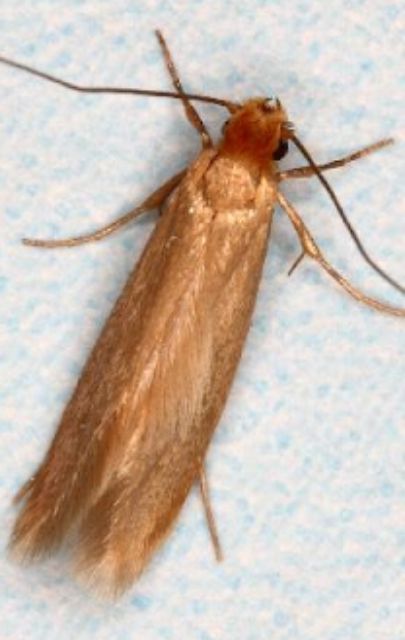
Identifying the Insects Themselves
Spotting the insects themselves is a definitive way to confirm an active infestation. Keep a lookout for these two life stages:
- Adult Moths: Textile moths are surprisingly small, measuring roughly 6–8mm in length, and are usually a silky gold or buff-brown colour. Unlike common food moths found in kitchen pantries, clothes moths are poor fliers. They tend to flutter weakly, scurry quickly across the floor, and actively avoid bright lights.
- Moth Larvae: This is the destructive stage responsible for all the damage. If you find them hidden in your fabrics, they look like tiny, creamy-white caterpillars with distinct dark heads, measuring about 10–12mm long.
Signs of Moths: Frequently Asked Questions
-
What damages do moths cause to your property?
Adult moths are completely harmless, but their larvae cause severe damage by chewing irregular holes and thinned patches into clothing, blankets, and upholstery. In wool carpets, they strip away the soft pile to expose the bare backing. Left unchecked, a single infestation can ruin expensive soft furnishings and designer clothing.
-
Are moths dangerous for you?
Textile moths are not directly dangerous because they do not bite, sting, or transmit diseases. However, a severe infestation can impact your health. The microscopic droppings (frass), cocoons, and discarded hairs left behind by feeding larvae can trigger respiratory irritation or allergic skin reactions like contact dermatitis in sensitive individuals.
-
Why do I suddenly have moths?
A sudden appearance of moths usually means a hidden generation of larvae has just matured into flying adults. Moths are often introduced accidentally via infested second-hand clothing, antique rugs, or upholstered furniture. They can also migrate into your living spaces from abandoned birds' nests located in your loft or roof eaves.
-
What are the first signs of moths?
The earliest indicators are subtle clues left by the larvae rather than flying insects. Look for random threadbare patches or small holes in woollen clothing and carpet corners. You may also spot tiny, sand-like droppings (frass) on shelves, or small silken tubes resembling grains of rice attached to your fabrics.
-
What to do when you see a moth?
Treat a flying moth as a warning that larvae are already active nearby. Immediately inspect your wardrobes and carpets for damage or webbing. Take action by vacuuming thoroughly, moving heavy furniture, and washing exposed fabrics at 60°C. If you still see moths after cleaning, contact a professional to target the resilient eggs.
-
What attracts moths to your property?
Moths enter properties in search of safe, dark nesting sites rich in keratin; a natural protein found in wool, silk, cashmere, leather, feathers, and fur. They are particularly drawn to dark, undisturbed wardrobes and items stained with sweat, hair oils, or food spills, which provide essential nutrients for their developing larvae.