
Call us for a quote on +353818001590
Signs of Ant Infestation
A few stray ants in the garden during summer are normal, but when long lines of ants begin streaming across your kitchen counters, floors, or commercial premises, you are dealing with an active ant infestation.
Ants travel long distances from their nests in search of food. Once a scout ant discovers a food source, it leaves an invisible pheromone trail behind for thousands of worker ants to follow. Left unchecked, a small ant problem can rapidly escalate into a persistent indoor pest issue.
At Rentokil Ireland, we provide fast, targeted, and safe ant control solutions across all 26 counties, helping you eliminate the nest at its source and keep your property pest-free.
Common Signs of an Ant Infestation
Early identification of an ant infestation makes treatment much faster and more effective. Watch for these clear warning signs on your property:
- Live Insects in Large Numbers: Spotting continuous lines or trails of ants moving along walls, baseboards, door frames, or kitchen worktops.
- Ant Tracks and Pheromone Trails: Repeatedly seeing ants enter and exit the same small cracks in flooring, wall plaster, or window sills.
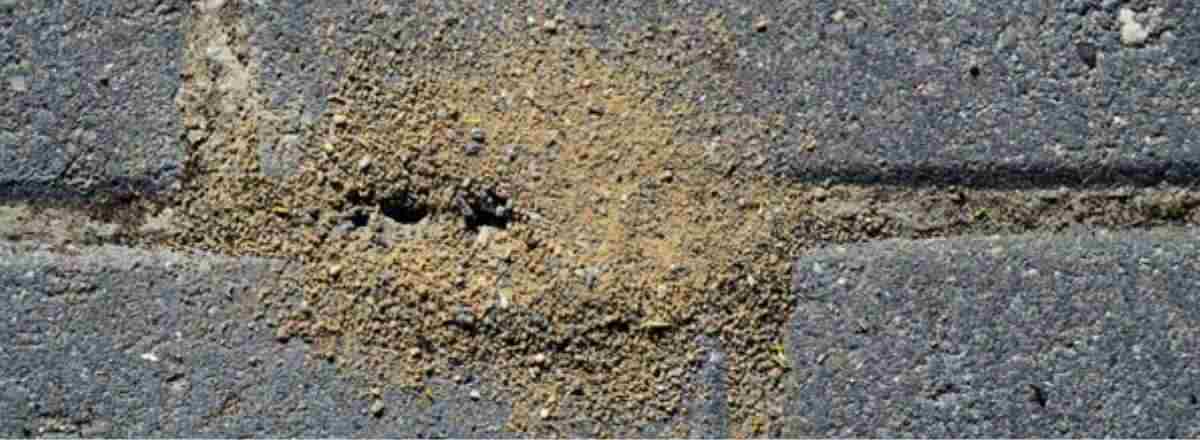
- Small Piles of Soil or Dust: Discovering small mounds of fine dirt, soil, or sand near wall bases, paving slabs, or skirtings, which indicates underground excavation from nest building.
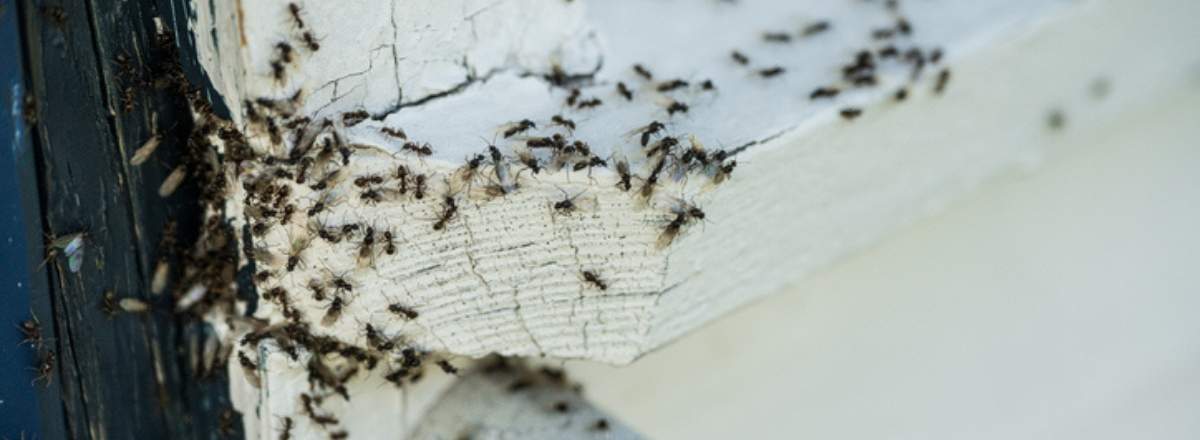
- Winged Ants Indoors: Seeing large swarms of flying ants emerging from walls, window frames, or floor voids during hot, humid summer days.
Why Is an Ant Infestation Dangerous?
While common Black Garden Ants do not carry dangerous diseases or sting, an ant infestation still poses significant health, hygiene, and financial risks:
- Food Contamination: Ants trek over dirty outdoor soil, drains, and waste bins before walking across exposed food, cutlery, and food preparation surfaces.
- Property & Structural Damage: Species like Carpenter ants can tunnel through wooden structures, while indoor species like Pharaoh ants can cause electrical short circuits by nesting inside equipment.
- Risk in Healthcare Environments: Tropical species such as Pharaoh ants nest deep within heated buildings and are notorious for infesting sterile medical facilities and feeding on sterile dressings.
- Commercial & Financial Loss: For food processing plants, restaurants, and hotels, a visible ant infestation can lead to failed hygiene audits, loss of stock, and severe brand damage.
How to Get Rid of an Ant Infestation
Surface sprays and DIY powders may kill the individual worker ants you can see, but they rarely solve the underlying problem. To completely eliminate an ant infestation, you must destroy the queen and the entire nest.
-
Species Identification & Inspection - Our certified technician conducts a thorough site survey to identify the exact ant species (e.g., Black Garden Ant, Pharaoh Ant, or European Red Ant) and locate their hidden entry points and nesting sites.
-
Advanced Baiting & Colony Eradication - We apply specialised, highly palatable gel baits along ant pathways. Worker ants carry the slow-acting bait back to the hidden nest, sharing it with larvae and the queen, which eradicates the entire colony from within.
-
Exclusion & Proofing Advice - Once the infestation is cleared, we provide professional recommendations on sealing entry cracks, structural proofing, and hygiene measures to ensure ants cannot return.
Step-by-Step: How to Prevent Ants in Your Home
You can significantly reduce the risk of an ant infestation by removing the food and moisture sources that attract them in the first place:
- Clean Up Spills Immediately: Wipe up sugary liquids, fruit juices, and food crumbs from countertops and floors without delay.
- Store Food in Sealed Containers: Keep pantry items, sugar bowls, and cereal boxes in airtight glass or plastic containers.
- Clear Away Pet Food: Never leave pet food bowls sitting out overnight, as unconsumed food attracts scout ants.
- Seal Entry Points: Use silicone sealant or caulking to fill small gaps around pipework, window frames, and exterior wall cracks.
- Keep Bins Sealed: Ensure indoor and outdoor waste bins have tight-fitting lids and are regularly disinfected.
Frequently Asked Questions About Ant Infestations
-
Why do ants keep coming back after I spray them?
Ants return because surface sprays only kill the visible worker ants foraging for food, leaving the queen and thousands of unhatched eggs completely safe inside the nest. Once the spray dries, the queen continues laying eggs and sends out new workers. Furthermore, using contact sprays on certain species like Pharaoh ants can panic the colony, causing it to split into multiple new nests throughout your property.
-
Where do indoor ants build their nests?
Indoor ants build their nests in warm, dark, and damp locations that offer protection from predators. Common indoor nesting sites include wall cavities, spaces beneath kitchen appliances, voids under floorboards, near hot water pipes, and inside insulation. Outdoor nests are typically found under paving slabs, driveways, flower beds, or rotting garden timber.
-
How long does it take for a professional to clear an ant infestation?
The timeframe depends on the ant species and the severity of the infestation. For common Black Garden Ants, a professional baiting treatment usually clears the infestation within 3 to 7 days as the bait spreads through the colony. For complex indoor infestations involving multi-queen species like Pharaoh ants, complete eradication may take several weeks of monitored baiting.
-
Why do I suddenly have an ant infestation?
A sudden ant infestation usually occurs because a single scout ant discovered an unsealed food or water source in your home and left an invisible chemical pheromone trail back to the nest. Hundreds of worker ants quickly follow this trail to exploit the new food source. Sudden weather changes, such as heavy rain flooding outdoor nests or prolonged heatwaves drying up outdoor water sources, also force entire ant colonies to migrate indoors unexpectedly.
-
What will keep ants away permanently?
Keeping ants away permanently requires a combination of structural proofing, strict hygiene, and total colony destruction. You must seal all entry points, such as small cracks in walls, window frames, and around pipework, using silicone sealant. Keeping kitchen surfaces spotless, storing food in airtight containers, and disposing of waste regularly deprives ants of food. Finally, if an active nest exists, using a professional baiting service to eliminate the queen ensures the colony cannot recover and return.