
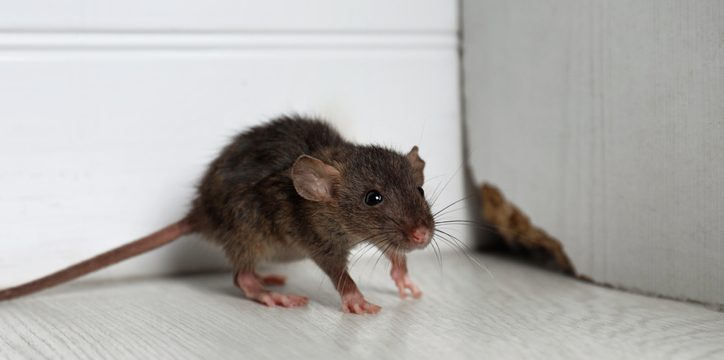

A rustle behind the skirting board. A flash of movement near the bin. Most people think of pests as unpleasant, but the truth can be far more serious. Behind the scratching and scurrying lies a very real threat to public health.
From rodents to flies, pests are capable of spreading bacteria, viruses and parasites that cause some of the most dangerous diseases known to humans. Understanding those risks is the first step toward keeping homes and workplaces safe.
The Unseen Threat
Pests are known as “vectors” because they carry and transmit disease-causing pathogens. Whether it is a rat tracking bacteria across a kitchen surface or a fly landing on uncovered food, the result is often the same: contamination.
In Ireland, cases of pest-borne illness continue to be monitored by the Health Protection Surveillance Centre (HPSC). The data confirms that outbreaks linked to poor hygiene and pest activity remain a concern, particularly when food or water is involved.
Every environment that stores, serves or prepares food is at risk. Restaurants, schools, hospitals and care homes each need a plan for proactive pest control. Prevention is not about inconvenience; it is about protection.
Rats and Mice: The Rodent Risk
Few pests inspire as much discomfort as rodents, and for good reason. A single mouse or rat can contaminate food, gnaw through wires creating a fire risk and spread disease wherever it travels.
Leptospirosis (Weil’s Disease)
Rats and mice are carriers of Leptospira bacteria, which can enter the body through cuts or mucous membranes after contact with contaminated water or soil. Ireland records several cases each year, often linked to exposure to rodent urine. Symptoms range from fever and muscle pain to jaundice and, in severe cases, organ failure.
Salmonella
Rodent droppings can contain Salmonella, a pathogen that causes diarrhoea, fever and stomach cramps. It thrives where food is handled or stored. Once it spreads to utensils or preparation areas, the bacteria can multiply quickly, creating a chain reaction of infection.
Hantavirus
Although rare in Ireland, hantavirus is worth mentioning. It spreads through airborne particles from rodent droppings or nesting materials and can cause severe respiratory illness. The risk is greatest during cleaning or renovation, when contaminated dust becomes airborne. Professional disinfection from Rentokil Ireland ensures those hazards are managed safely.
Crawling Contaminators: Cockroaches and Flies
It takes only one sighting of a cockroach to turn a clean kitchen into a health risk. These insects move between drains, bins and food surfaces, leaving a trail of bacteria wherever they go.
E.coli and Gastroenteritis
Cockroaches and flies are notorious for spreading E.coli, a bacterium that causes gastroenteritis and severe stomach pain. Even microscopic contamination can trigger illness within hours. When pests travel from sewers or waste to food preparation areas, they bring invisible danger with them.
Dysentery and Typhoid
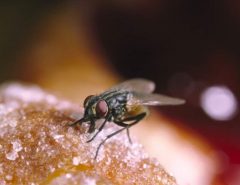
Flies are also known carriers of Shigella and Salmonella, which are the bacteria responsible for dysentery and typhoid. They pick up pathogens on their legs and transfer them to food, drink or surfaces.
Businesses operating in the hospitality or healthcare sector cannot afford to ignore even small infestations, as a single outbreak can result in closure or a costly investigation.
How Rentokil Ireland Protects Your Health and Property
Pest control is not just about removing what you can see; it’s also about identifying and eliminating hidden pests. Rentokil Ireland’s integrated approach tackles pests at every level: prevention, identification and long-term protection.
Inspection and Identification
Our expert technicians carry out thorough inspections to locate entry points, harbourage sites, and early signs of activity. Every treatment begins with understanding the species and environment involved.
Safe Eradication
We use science-led, targeted methods that remove infestations efficiently while minimising disruption to your business or household. Safety and compliance are always prioritised.
Exclusion and Proofing
Once pests are removed, proofing prevents their return. Our teams identify gaps, structural weaknesses and hygiene issues that attract pests. Small changes from sealed entry points to improved waste management can make a lasting difference.
Expert Sanitation
After an infestation, specialist cleaning is vital. Rentokil’s disinfection services remove traces of droppings, urine and bacteria that may still pose a health threat. This step restores hygiene and peace of mind.
For full details, visit our website to learn more about our pest control solutions and prevention programmes.
Why Health Risks Deserve Attention
Diseases linked to pests often spread quietly. By the time symptoms appear, contamination may have reached food, surfaces or ventilation systems. Common infections like Salmonella and E.coli can affect vulnerable groups most severely, including children, the elderly and those with weakened immune systems.
Every property that neglects pest prevention risks more than structural damage. It risks reputation, safety and wellbeing.
Stay Healthy: Don’t Wait for Symptoms
Whether you manage a commercial kitchen, an office, or a family home, pests can find a way in. Small signs, such as droppings, scratching sounds, or gnawed packaging, should never be ignored. Acting quickly with professional help stops infestations before they escalate into health emergencies.
Rentokil Pest Control Ireland offers tailored solutions for businesses and homeowners, ensuring safe, discreet and compliant protection from rodents, insects, and other pests.
Protect your property. Safeguard your health. Contact Rentokil Ireland today for a site inspection or consultation.


Leave a Reply