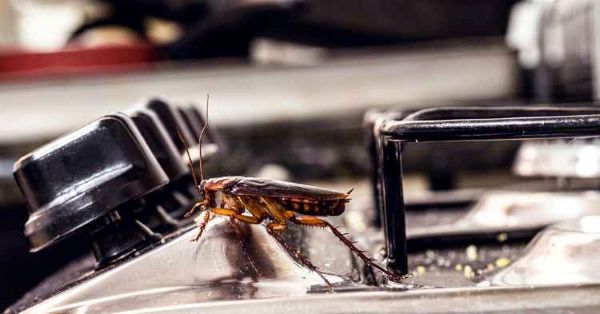

For restaurant owners and managers, seeing a cockroach scurrying across the floor is more than unpleasant; it is a major warning sign of potential trouble. Cockroaches pose a significant threat to a restaurant’s reputation, compliance with health and food safety standards and, ultimately, its bottom line. They can spread harmful pathogens and allergens, contaminate food and give customers negative experiences. Harbouring these unwelcome pests can have serious consequences, including legal action and even temporary closure of the restaurant.
Commercial kitchens provide ideal conditions of heat, humidity and food sources for cockroach breeding and survival. Their rapid breeding cycles, resilience and ability to hide in small cracks and crevices make them difficult to eradicate. Understanding their biology and behaviour, along with implementing integrated pest management principles (IPM), is crucial for maintaining a clean, safe and successful food service establishment.
This article outlines practical steps to prevent and tackle a cockroach infestation, protect your business, and ensure a pest-free environment for staff and customers. This article covers:
- How to identify cockroaches
- How cockroaches get into restaurant kitchens
- Where cockroaches find harbourage
- IPM Part 1: Cockroach prevention and sanitation
- IPM Part 2: Monitoring and visual inspection
- IPM Part 3: Professional cockroach treatment methods
- Continuous training, auditing and environmental health officer (EHO) compliance
How to Identify Cockroaches
The first crucial step is to correctly identify the species of cockroach present. Different cockroach species have varying behaviours, habitat preferences and breeding cycles. For example, treating a German cockroach infestation in a food preparation area requires a different approach than managing Oriental cockroaches emerging from restaurant kitchen floor drains. Here are four of the most common pest species found in Irish restaurants and food facilities.
Quick guide to the characteristics of cockroach species found in Irish restaurants
| Species | Size | Key features | Typical kitchen hotspots |
|---|---|---|---|
| German cockroach | 13 mm | Light brown, dark stripes. | Line prep, equipment motors, sinks. |
| Oriental cockroach | 25–30 mm | Dark brown/black, glossy. | Floor drains, basements, pipework. |
| American cockroach | 50 mm | Reddish-brown, yellow band. | Sewer drains, boiler rooms. |
| Brown-banded cockroach | 10–14 mm | Pale bands across body. | High shelves, motors, light switches. |
German cockroach (Blattella germanica)
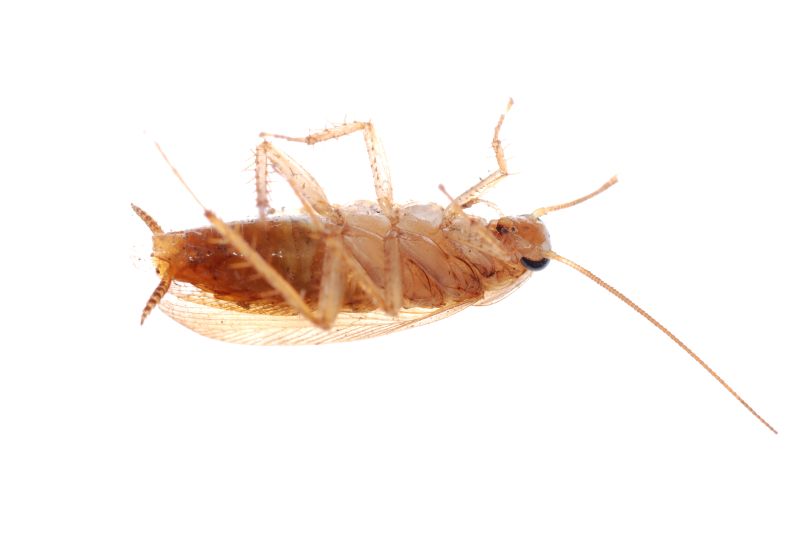
The German cockroach is the most widespread and disruptive species encountered in commercial food facilities.
- Appearance: Adults are approximately 13mm long and light brown in colour, featuring two prominent, dark parallel stripes directly behind the head on the pronotum.
- Preferred Habitat: Thrives in warm, highly humid environments, with optimal temperatures between 21–24°C. They cluster near water and food sources, such as under line prep stations, inside dishwasher housings, behind sink splashbacks and within the rubber door seals of refrigeration units.
- Behaviour and risk: German cockroaches reproduce at an exceptional rate. Females carry their egg cases (oothecae) until shortly before hatching, protecting offspring and allowing populations to explode in short periods if left unaddressed.
Oriental cockroach (Blatta orientalis)
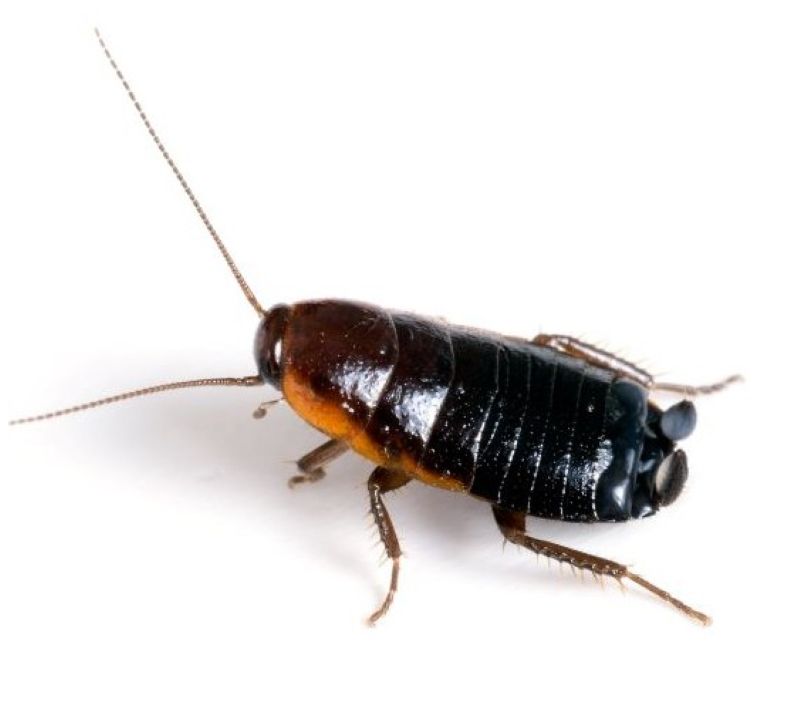
Often referred to as “black beetles,” Oriental cockroaches are heavily associated with damp, underground infrastructure.
- Appearance: Intermediate in size at roughly 25–30mm long, with a distinct dark brown or glossy black appearance. Females have non-functional wing pads, while males have short wings that cover part of the abdomen.
- Preferred habitat: Prefers cooler, damp and dark conditions. They are typically found in basements, cellar storage, drainage channels, floor gullies and pipe chases.
- Behaviour and risk: Though slower to reproduce than German cockroaches, Oriental cockroaches often travel through unsanitary drainage systems before entering food areas, significantly increasing the potential for pathogen transmission.
American cockroach (Periplaneta americana)
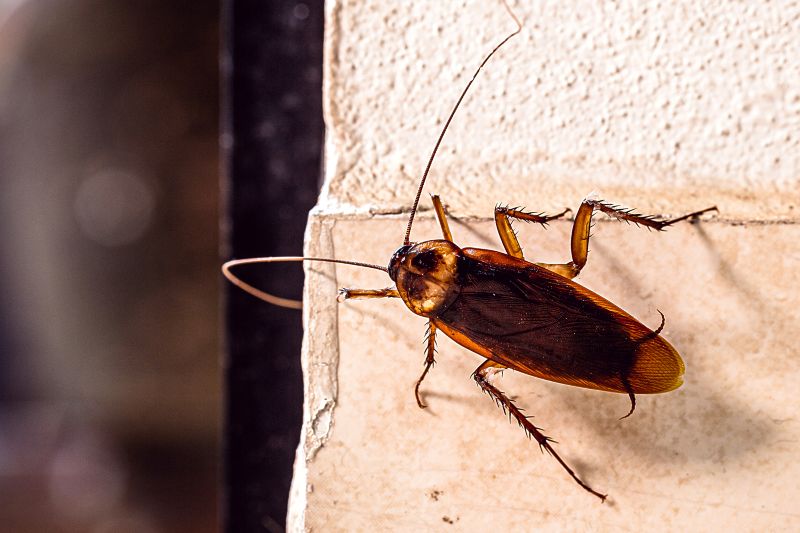
While less common in standard Irish restaurant kitchens, American cockroaches remain a serious threat in warmer, large-scale subterranean utility structures.
- Appearance: The largest indoor pest species, measuring up to 50mm in length. They are reddish-brown with a pale yellow border around the edge of the pronotum behind the head.
- Preferred habitat: Prefers high temperatures around 28°C and high humidity. Common in deep sewer pipes, steam tunnels, boiler rooms, and main drain access points.
- Behaviour and risk: Highly mobile pests that crawl up floor drains and open sewer lines, posing a severe risk of contamination for food prep surfaces.
Brown-banded cockroach (Supella longipalpa)
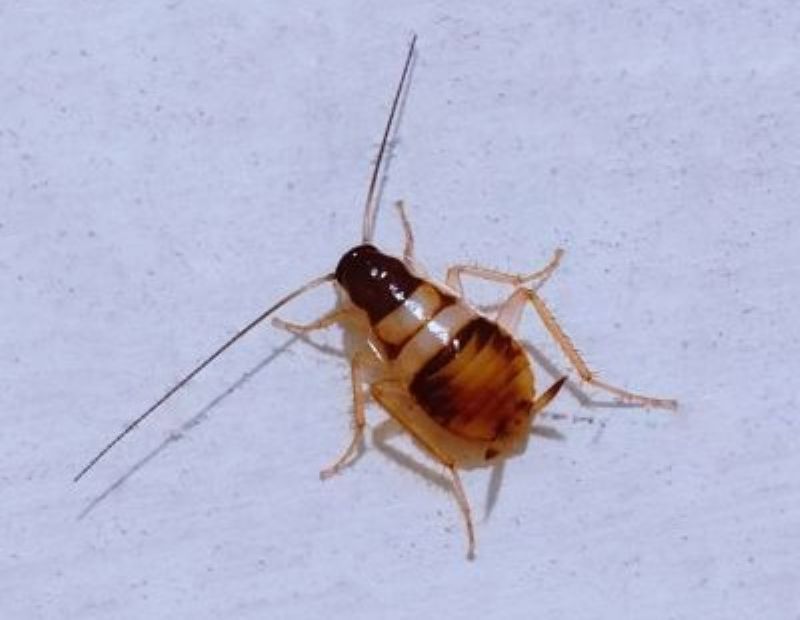
Uncommon in Ireland. Unlike other species, the brown-banded cockroach does not depend strictly on high-moisture kitchen zones.
- Appearance: Small, measuring 10 to 14mm in length, with a light to dark brown body featuring light-coloured bands across the abdomen.
- Preferred habitat: Requires warmer conditions (~27°C) and tends to seek harbourage in elevated areas. Look for them behind wall-mounted menu boards, inside electrical switchboards, within motor housings of cash registers or on high storage shelves.
- Behaviour and risk: Their preference for starchy items (such as cardboard glues and paper packaging) means they can easily hide in dry storage rooms and staff break rooms.
How cockroaches get into restaurant kitchens
Restaurants naturally provide the three core elements cockroaches require to thrive: food, water, and shelter. Understanding how these pests enter a building and where they congregate within it is essential for taking targeted preventative action.
External entry pathways
Cockroaches exploit minor structural defects, supply chains and utility lines to gain access to commercial kitchens.
1. Incoming supplies and goods
- The “hitchhiker” risk: German cockroaches regularly enter premises tucked inside incoming deliveries, particularly within corrugated cardboard boxes, packing crates and wooden pallets.
- Staff belongings: Pests or egg cases can occasionally be introduced unintentionally through personal bags, coats or other items brought into employee changing areas.
2. Structural openings and defects
- Micro-gaps: Adult German cockroaches can squeeze through structural gaps as narrow as 1.6mm.
- Building envelope points: Common entry points include unsealed gaps around windows and doors, expansion joints and structural wall or floor cracks.
- Utility lines: Unsealed penetrations for plumbing, electrical conduits, gas lines and exhaust vents provide direct access routes into food preparation zones.
3. Plumbing and drainage networks
- Sewer connections: Drains and sewer lines act as subterranean highways between adjacent properties and public infrastructure.
- Floor drains: American cockroaches frequently climb through floor drains and sewer pipes to enter kitchen spaces.
4. Outdoor perimeter and migration
- Surrounding vegetation: Dense ivy, leaf litter, compost piles and potted plants near external walls provide shelter for outdoor populations of Oriental, American and brown-banded cockroaches.
- External features: Storm drains, woodpiles and damp perimeter zones encourage harbourage, increasing the likelihood that cockroaches will forage indoors.
Where cockroaches find harbourage
Once inside a building, cockroaches seek out narrow, dark, warm and humid locations where surfaces touch them on both sides. Because they are cryptic and nocturnal, they often remain hidden until populations grow large.
1. Food residue and grease accumulation
- Equipment and surfaces: Tiny deposits of grease, spilt food, or light organic build-up on floors, under stoves and along range hoods support roach populations.
- Waste management: Unwashed dishes left overnight, unrinsed food packaging, overflowing waste bins, and decaying organic waste attract pests.
- Alternative food sources: Brown-banded cockroaches target starchy substances, such as adhesives found on paper packaging, boxes and envelopes.
2. Moisture and condensation zones
- Critical need for water: German cockroaches can survive less than two weeks without water, making moisture a primary draw.
- Plumbing leaks: Dripping taps, loose pipe fittings and leaking drainage connections create ideal breeding environments.
- Condensation: Uninsulated cold-water pipes, unrinsed glasses in bar sinks and standing water in refrigerator collection pans supply continuous moisture.
3. Sheltered harbourage and clutter
- Appliance motors: The heat generated by motors in refrigerators, cookers and electrical equipment creates prime shelter.
- Storage clutter: Piles of paperboard cartons, stacked paper bags, unneeded cardboard boxes and cluttered drawers containing food debris serve as prime hiding spots.
- Hidden voids: Gaps beneath sinks, hollow furniture legs, steam tunnels, water meter boxes and wall voids offer protected, undisturbed spaces for breeding.
IPM Part 1: Cockroach prevention and sanitation
IPM prioritises prevention and sanitation as the primary line of defence, as chemical treatments alone cannot solve a cockroach infestation. Eliminating access to food, water and shelter deprives cockroaches of essential resources and prevents populations from establishing in the first place.
1. Eliminating food sources and attraction
Cockroaches require only minute amounts of food residue, grease or organic waste to sustain themselves. Strict kitchen hygiene protocols will deprive them of nourishment.
- Food storage: Store all ingredients and dry goods in insect-proof containers with tight-fitting lids, such as resealable plastic or glass jars, rather than leaving them in open cardboard packaging.
- Spill response: Clean up all food spills and crumbs immediately. Vacuum regularly using a HEPA filter to prevent spreading cockroach allergens, paying special attention to cracks and crevices.
- Deep cleaning: Frequently sweep and mop floors to remove food residue and grease. Degrease range hoods, stovetops, fryer surrounds, and the sides and undersides of cooking equipment and refrigerators where grease collects.
- Cookware washing: Wash dishes promptly throughout service and never leave dirty crockery or utensils sitting in sinks overnight.
- Drain maintenance: Empty sink strainers frequently to prevent organic food build-up. Clean floor drains and drain openings regularly using covers designed to trap debris.
- Waste management: Keep indoor rubbish bins lined with plastic bags and fitted with tight-fitting lids. Empty indoor bins daily, wash them down regularly, and position external waste bins as far as possible from food-handling areas.
- Clutter removal: Rinse out cans, bottles, and plastic packages before discarding them. Remove piles of paper bags, rags, newspapers, unneeded cardboard boxes and clutter that cockroaches feed on or hide in.
2. Eliminating moisture and water sources
Water is the single most critical survival factor for cockroaches, even when food is abundant.
- Plumbing maintenance: Fix leaky taps, tighten loose pipe fittings, patch pipework and replace worn washers promptly, including checking outdoor water taps.
- Condensation control: Wipe dry any condensation under refrigeration units and empty water collection pans regularly. Insulate cold pipes and increase kitchen ventilation in high-humidity areas.
- End-of-service dry down: Dry out sinks thoroughly at night after closing, empty pet water dishes if present and invert washed glasses and cups so water drains immediately.
- Drain traps and outdoor water: Keep infrequently used sink and floor drains filled with water to maintain trap barriers. Eliminate outdoor areas where water pools, such as discarded cans, plant pot saucers or tree hollows.
3. Structural exclusion and harbourage removal
Preventing cockroaches from entering the building or finding hiding places requires ongoing facility maintenance and strict delivery protocols.
- Sealing structural penetrations: Inspect interior and exterior walls, floors, tilework, expansion joints and foundations to seal all cracks, crevices and gaps using silicone caulk, expanding foam or steel wool. Pay close attention to openings around utility pipes, wiring and exhaust vents.
- Door and window seals: Fit doors and windows with tight-fitting weather stripping and heavy-duty door sweeps. Keep unscreened doors and windows closed, install fine-mesh screens on vents and consider air curtains over loading bay doors.
- Delivery inspection protocols: Implement a routine check for all incoming food, beverage, and supply deliveries. Inspect cardboard boxes, packaging materials and pallets for live cockroaches or purse-like egg cases (oothecae), and request suppliers to deliver in plastic containers where possible.
- Appliance and furniture checks: Check the undersides and backs of furniture and appliance motors for glued egg cases and remove any found.
- Employee hygiene awareness: Educate employees on how to prevent introducing cockroaches via personal belongings and train them in identifying cockroaches and reporting pests on site.
- Perimeter management: Trim shrubs and trees away from direct contact with the building. Remove leaf litter, mulch and woodpiles and consider establishing a gravel perimeter strip around the foundation to eliminate outdoor harbourage for cockroaches.
Kitchen sanitation and maintenance schedule for cockroach prevention
| Task frequency | Action item | Responsible party |
| Daily (closing) | Empty rubbish bins; wash bins; dry all sinks. | Kitchen team. |
| Daily (closing) | Sweep, mop and degrease floors and prep surfaces. | Kitchen team. |
| Daily (closing) | Clear drain strainers; rinse and invert washed glasses. | Kitchen/ bar staff. |
| Weekly | Deep clean range hoods, under appliances and drains. | Cleaning shift. |
| Weekly | Inspect incoming delivery packaging and dry storage. | Store manager. |
| Monthly | Inspect door sweeps, pipe seals, and outdoor perimeter. | Facilities manager. |
IPM Part 2: Monitoring and visual inspection
Regular monitoring and visual inspections allow restaurant managers to detect cockroach activity early, map out population hotspots and measure the effectiveness of ongoing control measures.
1. Visual inspections and early warning signs
Cockroaches are nocturnal. Daytime inspections require looking into dark, hidden harbourages using a torch and a small mirror on a long handle. Kitchen staff and management should inspect harbourages, such as under counters, behind water heaters, inside electrical equipment and along structural crevices for the following signs:
- Live sightings: Seeing adult roaches or nymphs during daytime hours often indicates a severe infestation in which harbourage areas have reached capacity.
- Body parts: Discarded legs, antennae or wings scattered near appliances or storage areas.
- Egg cases (oothecae): Small, purse-like capsules that contain multiple eggs, typically glued or deposited in dark, sheltered places.
- Cast skins (exuviae): Pale, shed exoskeletons left behind as nymphs mature into adults.
- Faecal spotting: Small, dark spots or smears resembling black pepper or coffee grounds found along walls, cupboard hinges, equipment undersides and harbourage entrances.
- Musty odour: An unpleasant, heavy, musty smell characteristic of established cockroach populations.
- Damaged packaging: Chewed or damaged cardboard, paper bags or food containers where cockroaches have fed on contents or adhesives.
2. Sticky trap placement and protocol
Sticky traps (glue boards) are valuable diagnostic tools for tracking movement, identifying high-density zones and detecting entry points.
- Placement strategy: Position sticky traps against walls and in corners, particularly at floor-wall junctions, under sinks, behind major kitchen appliances and near heat or water sources. Place traps across room corners to identify primary entry pathways.
- Trap identification: Assign a unique number to every trap location and record its position on a simple kitchen floor plan.
- Monitoring schedule: Inspect traps daily or several times per week when assessing an active issue, and record the count and species captured for each trap.
- Hygienic disposal: Dispose of used sticky traps by sealing them in a plastic bag before placing them in outdoor waste bins to prevent pest escapes or odour issues.
3. Staff reporting system and trend analysis
An effective monitoring program relies on daily participation from front and back-of-house staff.
- Immediate logging: Establish a straightforward reporting protocol so staff can log sightings immediately, noting the exact date, time, location and estimated number of cockroaches observed.
- Data analysis: Review trap logs and staff reports regularly to identify persistent hotspots, track population trends and evaluate whether control efforts are working or require adjustment.
Example of a pest sighting and monitoring log
| Date | Time | Location/trap # | Observation (live, faeces, egg cases) | Reported by | Action taken/ pest control notified |
| 12/10 | 22:30 | Trap #4 (under dishwasher). | 3 German cockroaches (adults). | J. Smith | Cleaned grease trap; logged for Rentokil visit. |
| 14/10 | 06:15 | Line prep sink. | Faecal spotting along splashback. | A. Khan | Sanitised area; sealed gap in tile wall. |
IPM Part 3: Professional cockroach treatment methods
When the non-chemical prevention and sanitation measures described above are in place, professional pest control treatments can be used to eliminate active infestations. IPM emphasises the use of non-chemical methods as the first line of defence, reserving targeted chemical applications for specific, localised areas. This approach helps ensure that food, packaging and food-contact surfaces remain free from contamination by toxic chemicals.
1. Non-chemical and biorational controls
Non-chemical interventions physically remove pests, disrupt breeding cycles, or eliminate infestations without synthetic pesticides.
- HEPA-filtered vacuum extraction: Pest control professionals use specialised vacuum cleaners fitted with hose attachments and HEPA filters to flush out and physically extract live cockroaches, shed skins and egg cases directly from deep cracks and crevices. Vacuum bags are immediately sealed and discarded off-site.
- Targeted heat treatments: For heavy or persistent infestations, professional heat treatments raise the temperature of affected rooms or zones to 60–65°C (140–150°F) for several hours. This temperature kills cockroaches across all life stages, including heat-resistant egg cases (oothecae).
- Insect growth regulators (IGRs): IGRs are low-toxicity compounds that mimic natural juvenile hormones, preventing cockroach nymphs from maturing into reproductive adults. While low in mammalian toxicity, they effectively break the reproductive cycle when combined with other control tools.
2. Targeted chemical application
When chemical treatments are necessary, they are applied strictly to cracks, crevices and voids rather than to broad surface areas.
- Gel baits and bait stations: Baits combine a highly palatable food matrix with a slow-acting insecticide. Applied in small dabs directly into cracks, crevices and along foraging pathways (e.g. under prep tables, behind refrigeration units, inside cabinets), cockroaches feed on the bait and return to harbourage sites, spreading the active ingredient to the broader colony. Professional technicians regularly rotate bait formulations and active ingredients to prevent chemical resistance or bait aversion.
- Desiccant dusts (diatomaceous earth and silica aerogel): Lightly applied into dry wall voids and structural gaps. These dusts absorb the protective waxy layer on the cockroach’s exoskeleton, leading to death by dehydration.
- Boric acid: Applied in dry, out-of-the-way locations, boric acid acts as both a contact and oral toxin, offering long-term residual control as long as it stays dry. It should not be used outdoors as it can harm plant life.
3. Why foggers, aerosols and retail insecticide sprays must be avoided
Over-the-counter aerosol sprays, total-release foggers (“bug bombs”), and wet sprays are strongly discouraged in commercial restaurant environments.
- Inadequate harbourage penetration: Aerosols and foggers fail to reach deep into narrow cracks, crevices and motor housings where cockroaches hide during the day.
- Infestation dispersion: Airborne chemical sprays cause cockroaches to scatter, driving them deeper into structural voids or into adjacent food prep and dining areas.
- Contamination risks: Space sprays settle onto open surfaces, posing a high risk of chemical exposure and food or utensil contamination.
- Insecticide resistance: Misuse of common retail spray ingredients accelerates chemical resistance, rendering professional treatments less effective.
Continuous training, auditing and EHO compliance
Maintaining a pest-free restaurant requires ongoing evaluation, staff education, and rigorous record-keeping. Demonstrating proactive pest management is critical for complying with Food Safety Authority of Ireland (FSAI) regulations during Health Service Executive (HSE) Environmental Health Officer inspections and avoiding costly enforcement actions or closures.
1. Ongoing staff education and reporting culture
Kitchen hygiene and pest management standards can slip without regular reinforcement. Updating staff training regularly ensures that all team members actively contribute to IPM efforts.
- Induction and refresher training: Incorporate pest prevention protocols into onboarding for new kitchen and front-of-house staff, and conduct regular refresher sessions on sanitation and exclusion practices.
- Vigilance and early detection: Train employees to recognise early signs of cockroach activity such as small faecal spots, egg cases, or distinctive musty odours, and to report them immediately.
- Preventing hitchhikers: Educate staff on how to inspect their own belongings brought into staff areas to prevent introducing cockroaches into the venue.
2. Data review and strategy adjustment
Pest management is an adaptive process rather than a one-time fix. Maintain comprehensive logs of monitoring data, trapping results, control measures implemented, and staff sightings to track trends over time.
Continually reviewing monitoring data allows management to evaluate treatment success and refine protocols, as shown below:
| Protocol review focus | Action/ strategy adjustment |
|---|---|
| Catch rate increase | Move or add bait stations; re-inspect potential food, water or harbourage sources and structural entry points. |
| Persistent hotspots | Deep-clean grease deposits; check for concealed plumbing leaks. |
| Ineffective baits | Switch bait formulations with different active ingredients to counter aversion and resistance. |
| Unresolved harbourage | Apply desiccant dust in wall voids; ensure all gaps and cracks are sealed, and clutter is removed. |
3. EHO audit readiness and the pest logbook
During routine or unannounced food hygiene inspections, EHOs evaluate pest control measures as part of the restaurant’s Food Safety Management System (HACCP). Harbouring pests or failing to implement adequate controls can lead to reduced FHRS ratings, legal fines or temporary closure.
Essential documentation for the pest control folder
To demonstrate full regulatory compliance during an EHO audit, restaurants should maintain an up-to-date pest control folder containing:
- Professional service contract: Clear scope of work and visit schedules with a certified professional pest control contractor.
- Pest sightings and action log: A recorded register of all internal pest sightings, reported dates, locations, and actions taken.
- Site plan and trap location map: A mapped layout showing the exact positions and reference numbers of all sticky traps, bait stations, and monitoring units.
- Technician visit reports: Detailed service reports from every professional pest visit, outlining findings, treatments applied, and recommendations.
- Safety Data Sheets (SDS): Official safety documentation for all chemical treatments, gel baits, or dusts applied on the premises.
- Proofing and cleaning recommendations log: Evidence showing that management has addressed structural repairs, sealing, or deep-cleaning actions recommended by pest technicians.